


Carbide drills for stainless steel and nickel-rich alloys should be selected for heat control, edge strength, chip evacuation, and coolant delivery. A drill that works in carbon steel may rub, chip, or pack chips in tougher alloys.
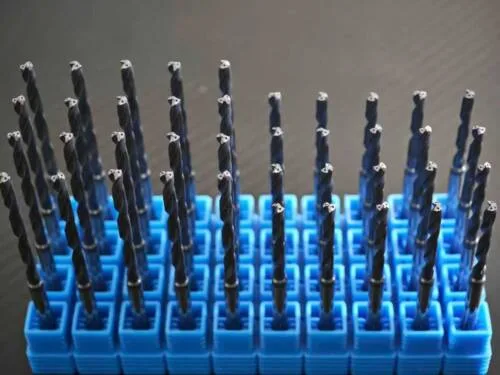
Why stainless and nickel-rich alloys behave differently
These materials can generate heat near the cutting edge and may work harden if the drill rubs. Chips can be tough and difficult to evacuate. If the edge is too weak, it chips; if the edge is too blunt, it pushes and heats the material.
What to check in the drill
- Point geometry suited to stainless or nickel-rich material.
- Coating and edge preparation that balance heat resistance and sharpness.
- Flute design that clears chips at the required hole depth.
- Through-coolant capability when the machine and holder support it.
- Short, rigid toolholding with controlled runout.
Process checks before blaming the drill
Check speed, feed, coolant flow, pilot condition, and entry stability. If chips turn dark, stringy, or packed, adjust the process before the tool fails. If hole size drifts, measure runout and compare the mouth and deeper section of the hole.
For material comparison, see HEYI’s guide to carbide drills for steel vs stainless steel. For difficult alloys, start from the coated through-coolant carbide drill page and send material, hardness, hole diameter, depth, coolant method, and failure photos through the RFQ form.