Skip to content Skip to footer

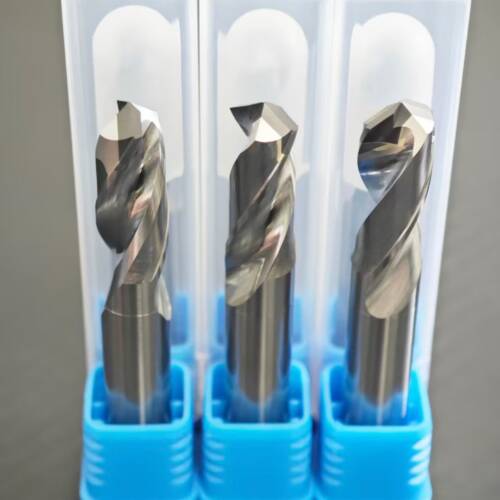
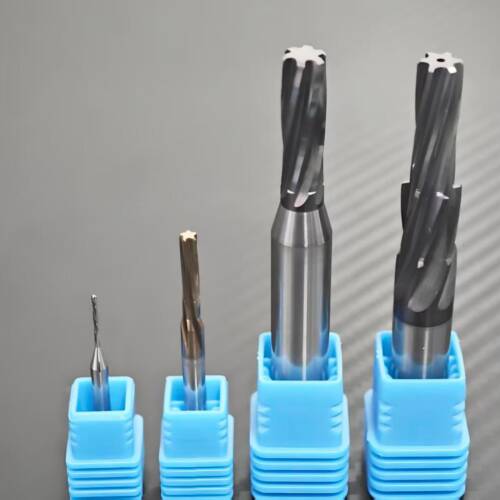
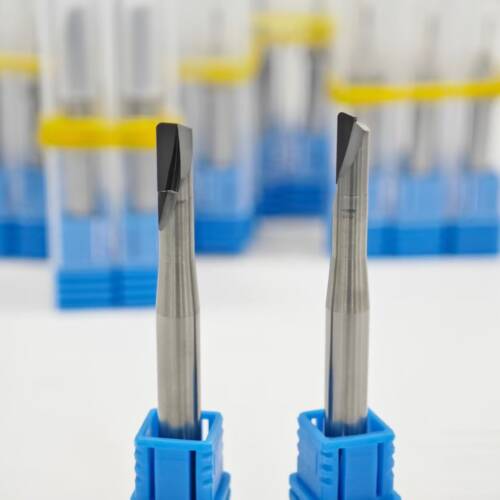
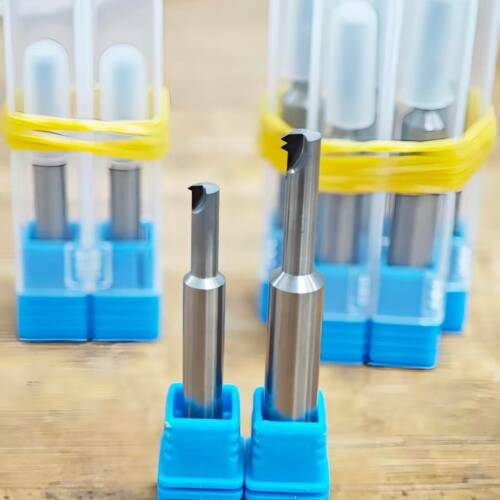
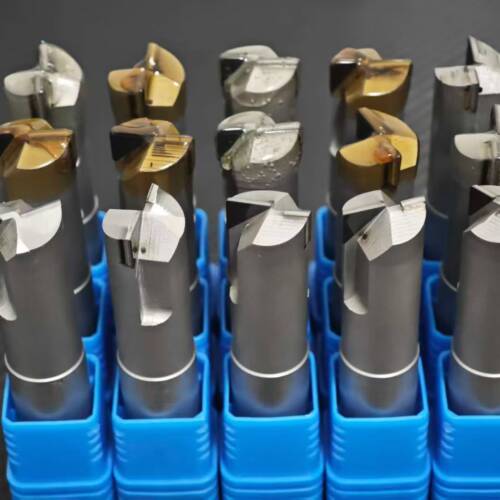
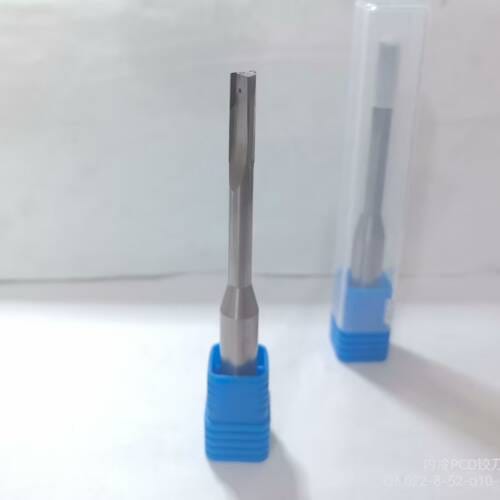
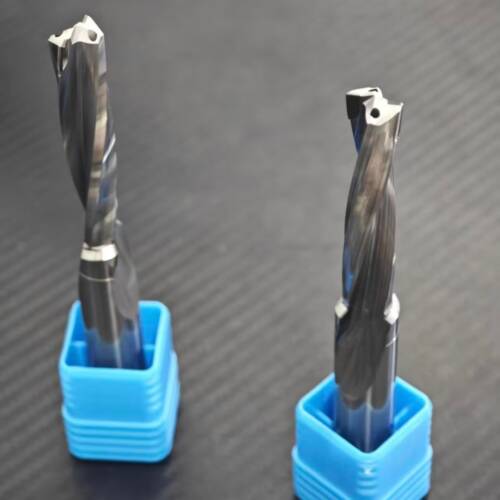
PCD tools are used when non-ferrous materials, composites, graphite, ceramics, sapphire, and hard-brittle workpieces need sharp edges, stable finish, and repeatable size control. This category covers PCD drills, end mills, inserts, reamers, micro tools, and special milling cutters for aluminum, CFRP, copper alloys, graphite electrodes, and precision parts.

Tool typeBest fitMain limit

PCD end millsAluminum, CFRP, copper, graphiteNot a general steel cutting choice
PCD drills and reamersClean holes, abrasive stacks, non-ferrous partsNeeds stable setup and correct coolant/chip control
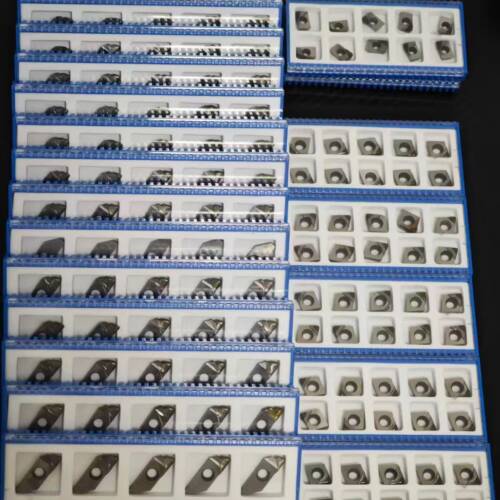
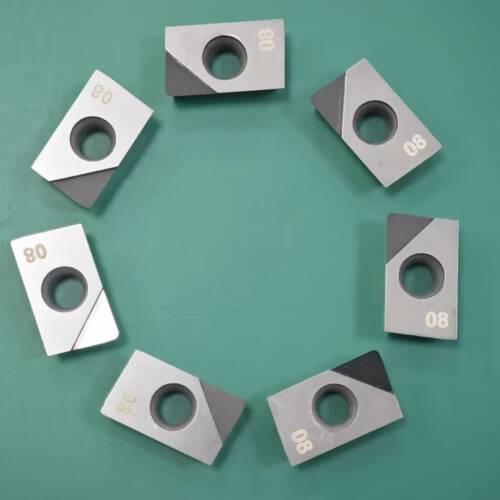
PCD insertsHigh-volume non-ferrous turning and millingInterruption and ferrous materials must be checked carefully

For RFQ review, send the workpiece material, hardness, drawing, tolerance, surface finish target, machine type, coolant condition, current tool life issue, and expected batch size through Full RFQ.

PCD selection guide

Choose a PCD Tool by Material, Operation and Required Result

PCD cutting tools are a practical starting point for abrasive non-ferrous materials, composites, graphite and selected hard-brittle materials when edge quality, repeatable size and surface finish matter. The tool geometry still needs to match the workpiece, operation, machine setup, coolant or chip control and target result.

Aluminum and non-ferrous alloysDrilling, reaming, turning, milling and application-specific profiles.
CFRP, GFRP and stack materialsReview fiber direction, entry and exit condition, delamination risk and hole or edge requirements.
Copper and graphiteChoose geometry around burr control, finish, feature size, dust or chip evacuation and machine stability.
Selected hard-brittle materialsUse drawing-based technical review for CVD SiC, ceramics, sapphire and other verified applications.
Starting pointTypical workImportant RFQ details
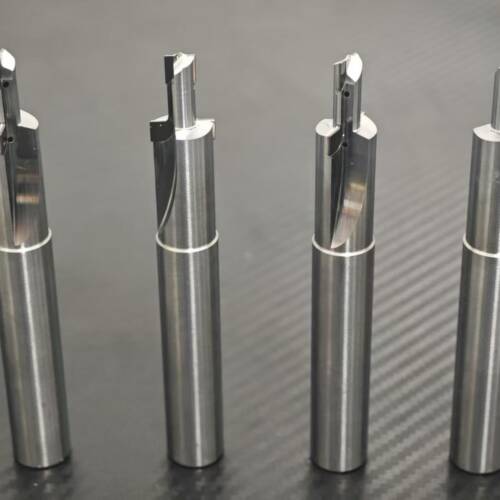
PCD drills and step drillsPrecision holes, counterbores, countersinks and stack-material drilling.Hole geometry, entry/exit condition, depth, coolant and chip evacuation.
PCD reamersBore sizing and finish control in non-ferrous precision components.Pre-hole size, tolerance, cylindricity, finish target and allowance.
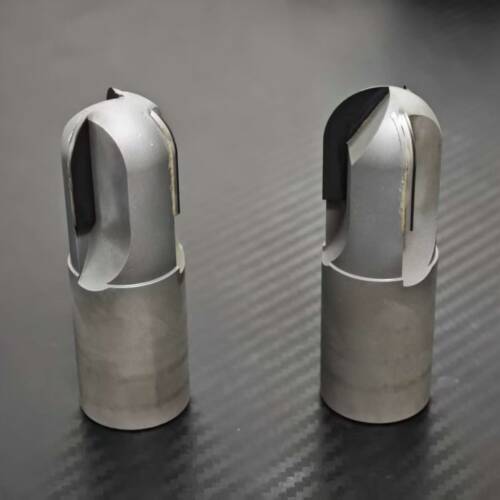
PCD end mills and ball-nose toolsSlots, profiles, contours and surface machining in aluminum, composites, copper and graphite.Toolpath, reach, corner or radius, finish target, spindle and setup stability.
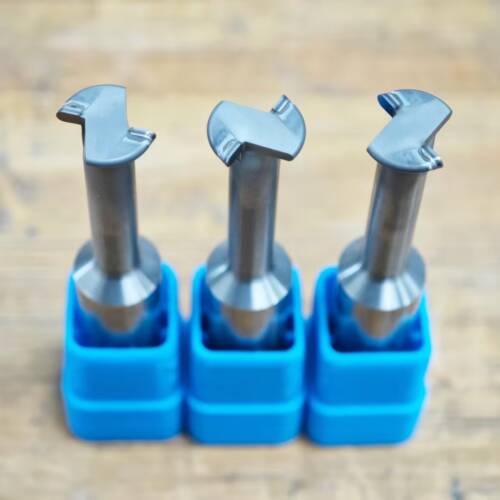
PCD inserts and special cuttersTurning, milling, T-slot, threading and application-specific features.Insert or cutter interface, interrupted cut, workholding and current failure mode.
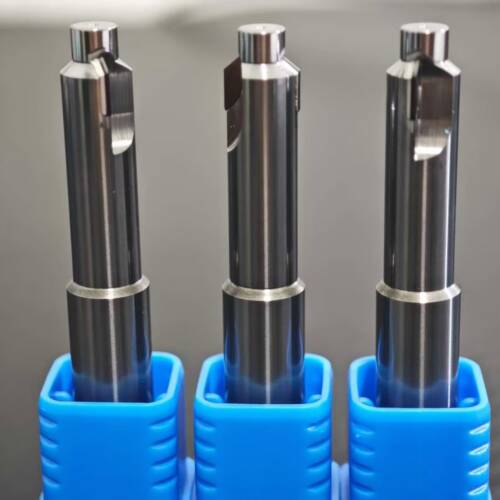
Micro and solid PCD toolsSmall features and selected abrasive or hard-brittle workpieces.Drawing, feature size, runout, machine condition and inspection requirement.
Important material limitPCD is not the default cutting-tool choice for steel, cast iron or other ferrous workpieces. Depending on hardness, operation and target result, CBN or carbide may be the more suitable starting point.
Current product range

Browse PCD Tools

The existing 25-product WooCommerce grid, pagination and product links continue below without changing the individual product pages.

PCD cutting tool production workshop with precision tool grinding equipmentClose-up of PCD cutting tool grinding inside the workshop
Factory and inspection

PCD Tool Preparation and Quality Control

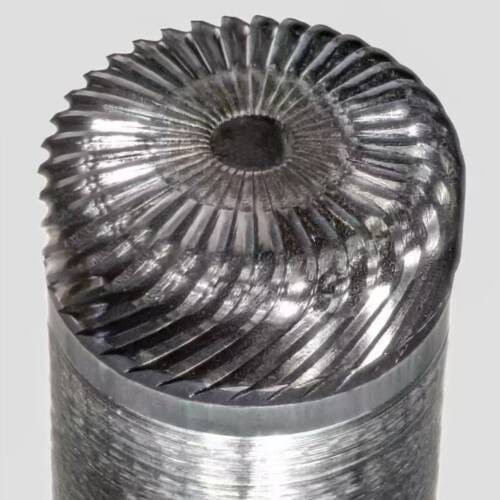
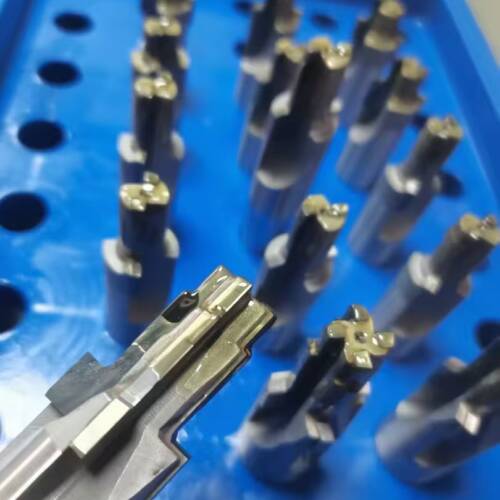
PCD tool slotting and flute generation, edge generation and sharpening, precision grinding, magnified inspection, and suitable tool repair or reconditioning are completed in the factory. The exact route depends on the tool geometry, workpiece material, machining operation and required result.

SlottingEdge preparationGrindingInspectionReconditioning review
PCD tool FAQ

Questions Before Selecting a PCD Tool

What materials are PCD tools commonly selected for?

PCD is commonly reviewed for abrasive non-ferrous materials, aluminum alloys, copper, graphite, CFRP, GFRP and selected hard-brittle applications. The exact grade, geometry and edge preparation still depend on the operation and target result.

When should I consider CBN or carbide instead?

For steel, hardened steel, cast iron and other ferrous cutting, PCD is usually not the default starting point. CBN or carbide may be more suitable after reviewing hardness, operation, interruption and finish requirements.

What should I send for a custom PCD tool review?

Send the drawing or current tool, workpiece material and hardness, operation, machine, coolant or chip-control condition, tolerance, surface-finish target, current issue, quantity and timing.

Can a used PCD tool be repaired or reconditioned?

Suitable used PCD tools can be assessed for repair or reconditioning. Feasibility depends on body condition, edge damage, remaining geometry and the required specification; assessment is required before confirmation.

Start a technical review

Send the Application Details Before Final Tool Selection

A product category is only the starting point. Send the drawing or current tool information, material and hardness, operation, machine, coolant or chip control, tolerance, finish target, current problem, quantity and timing for an application review.

Subscribe for the updates!

Subscribe for the updates!