


What information is needed for a PCBN or CBN tool review?
Send the material grade and hardness, operation, continuous or interrupted cut, stock allowance, machine and workholding, tolerance, finish target, current tool or issue, quantity and timing.
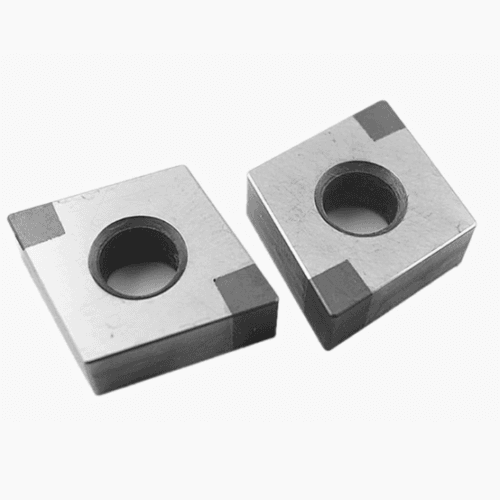
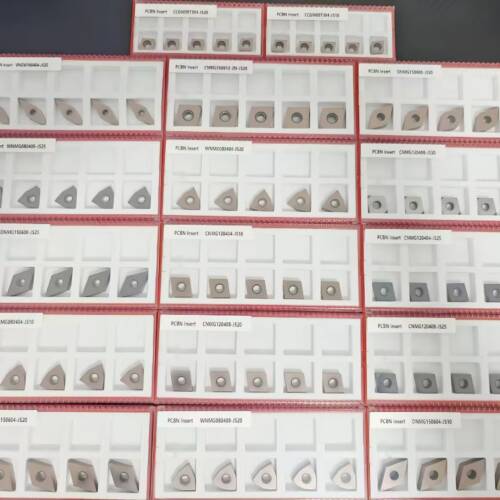
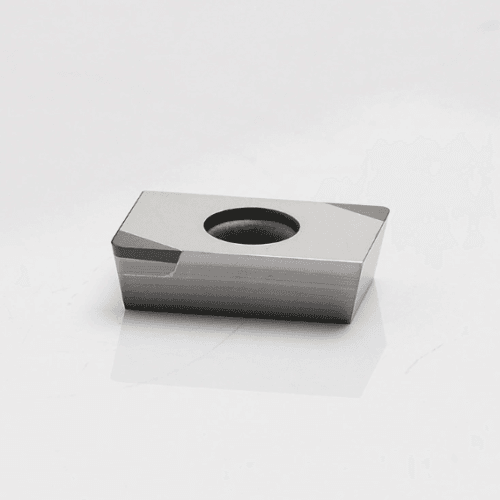
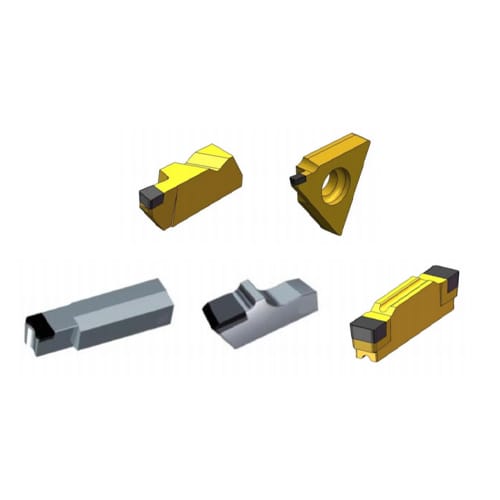
CBN tools are aimed at hardened steel, hard cast iron, wear-resistant ferrous materials, and grinding-replacement work where edge strength and stable wear matter more than general-purpose flexibility. This category covers CBN inserts, brazed CBN tools, coated CBN tools, grooving tools, and application-specific hard-turning tooling.
Tool typeBest fitMain limit
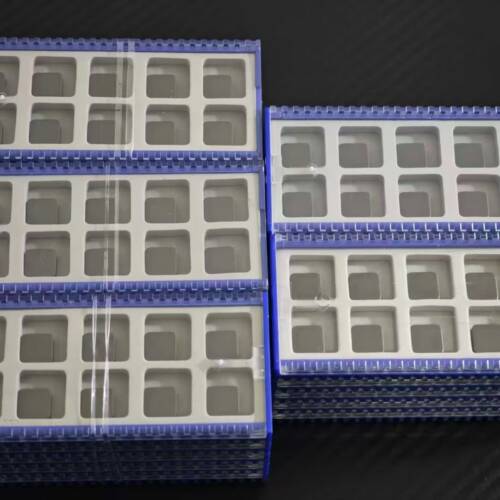
CBN insertsHardened steel and hard cast iron turningInterrupted cuts and low rigidity raise chipping risk
Brazed CBN toolsSpecial profiles, grooves, and application-specific edgesRequires accurate drawing and process review
Coated CBN toolsWear control in selected hard-machining conditionsCoating choice depends on heat, material, and coolant strategy
For selection, provide material grade, hardness, allowance, interruption level, rigidity, coolant strategy, surface finish target, and current insert failure mode. Related application pages are under Applications.
CBN insert selection for hardened steel and cast iron should consider hardness, interruption level, edge preparation, tool holder rigidity, coolant condition, and the current insert failure mode. CBN can be a strong route for hard turning and abrasive cast iron machining, but unstable setups or heavy interruption can raise chipping risk. For review, send material grade, hardness, operation type, current insert, cutting data, and defect photos.
Showing all 7 results
PCBN and CBN cutting tools are practical starting points for demanding ferrous-material applications such as hardened steel and cast iron. Final selection depends on material grade and hardness, continuous or interrupted cutting, stock allowance, machine and workholding stability, tolerance and surface-finish target.
| Starting point | Typical review | Important RFQ details |
|---|---|---|
| CBN / PCBN inserts | Turning and finishing of selected hardened ferrous materials and cast iron. | Material grade, hardness, allowance, continuous/interrupted cut and required finish. |
| Grooving tools and inserts | Grooves, profiles and related turning features. | Profile drawing, width/depth, corner geometry, holder interface and workholding. |
| Coated or composite formats | Application-specific selection after the cutting condition is defined. | Current tool, failure mode, speed/feed if known, coolant condition and target result. |
| Solid and special CBN tools | Selected contours, profiles and custom features that need a drawing review. | CAD/drawing, reach, runout, machine condition, inspection and tolerance requirements. |


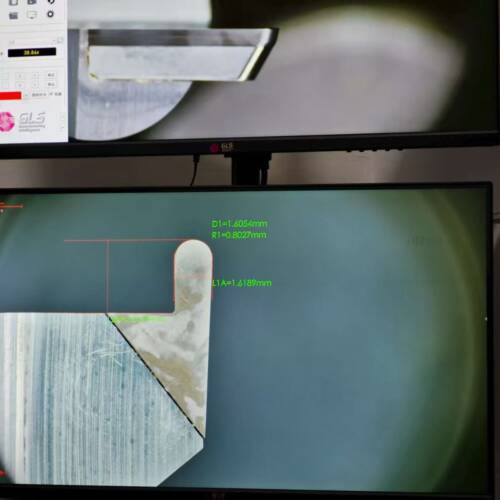
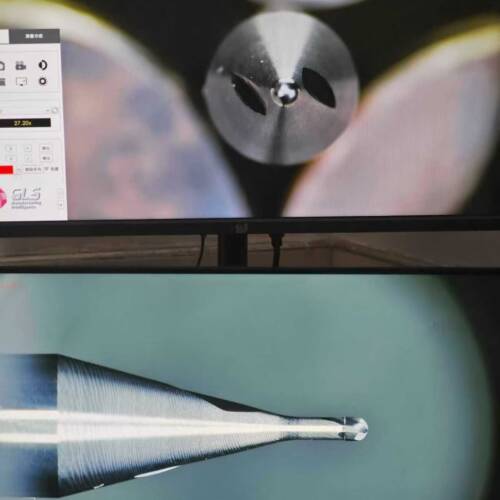
Tool preparation, edge generation, precision grinding, magnified inspection and suitable reconditioning review are completed in the factory. The exact route depends on tool construction, workpiece material, cut condition and required result.
Send the material grade and hardness, operation, continuous or interrupted cut, stock allowance, machine and workholding, tolerance, finish target, current tool or issue, quantity and timing.
PCBN/CBN is generally reviewed for selected hardened ferrous materials and cast iron. PCD is commonly reviewed for abrasive non-ferrous materials, composites and graphite. The exact choice still depends on the application.
HEYI can review custom inserts, grooving tools and special CBN/PCBN geometries from a drawing or current-tool sample. Feasibility is confirmed only after the application and dimensional requirements are checked.
Cut continuity changes the mechanical and thermal load at the edge. It should be included with material hardness, allowance and setup rigidity when the tool format and edge preparation are reviewed.
Send the drawing or current tool, material grade and hardness, operation, continuous or interrupted cut, stock allowance, machine and workholding, tolerance, finish target, current problem, quantity and timing.