Skip to content Skip to footer

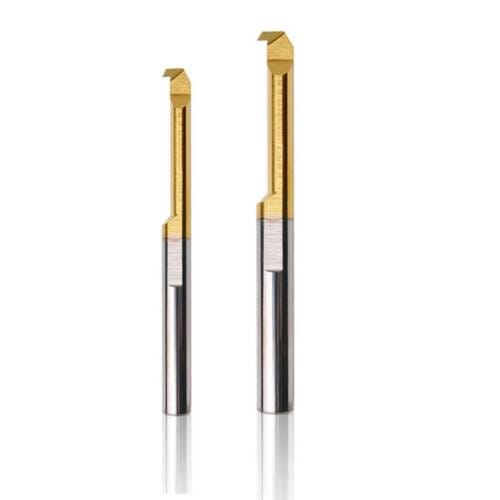
Carbide tools remain the practical first choice for many turning, boring, grooving, drilling, reaming, and threading jobs where process stability and dimensional control come before diamond or CBN tooling. Use this category for Swiss-lathe inserts, carbide drills, grooving tools, boring tools, reamers, and small-part CNC machining work.

Tool typeBest fitMain limit

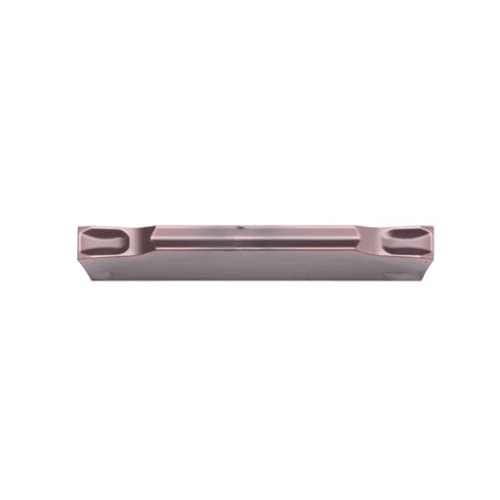
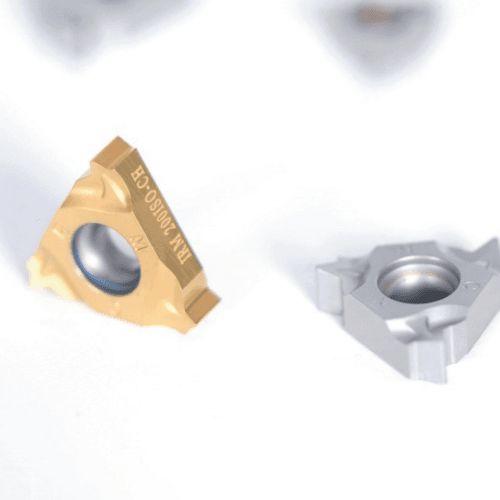
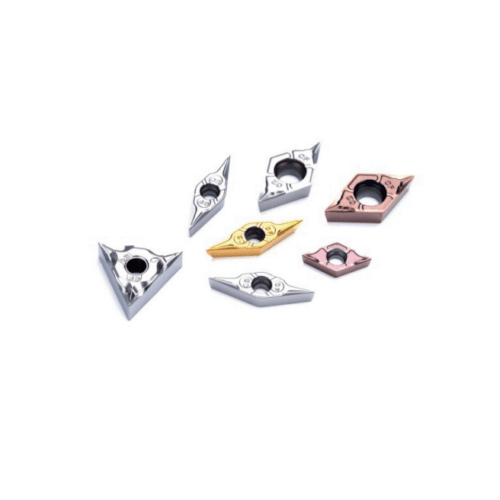
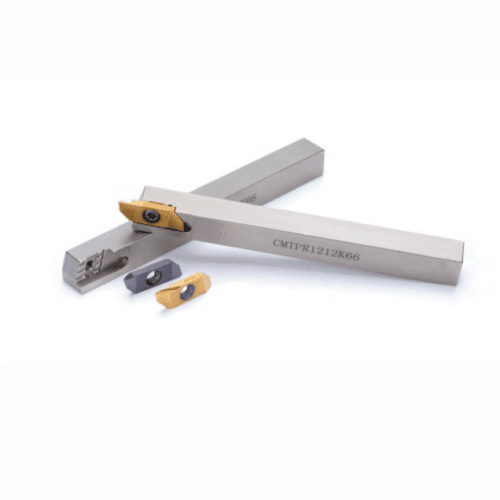
Carbide insertsGeneral turning, grooving, parting, and threadingGrade and geometry must match material and interruption
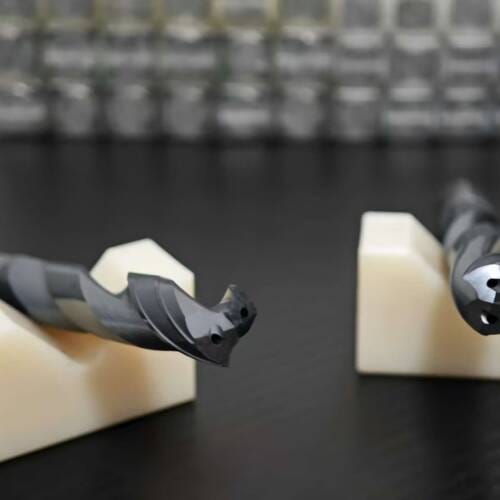
Carbide drillsSteel, stainless, aluminum, and production holemakingChip evacuation and coolant decide stability in deep holes
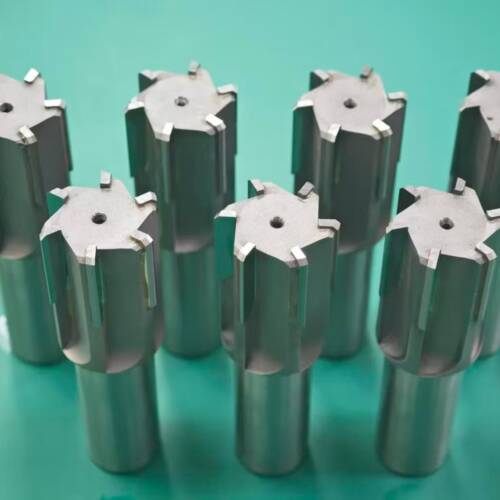
Carbide boring and reaming toolsSmall bores and tolerance-controlled holesRunout, overhang, and machine rigidity are critical

For an RFQ, send material, hardness, hole or feature size, tolerance, surface finish, machine model, holder, coolant, and current cutting data through Full RFQ.

Carbide tool selection guide

Choose a Carbide Tool by Operation, Geometry and Required Result

HEYI carbide cutting tools cover turning, grooving, threading, drilling, reaming, fine boring and selected special-tool applications. Start selection with the workpiece material, operation, tool dimensions and interface, hole or profile details, machine and workholding condition, tolerance, surface-finish target and coolant condition.

Turning and threadingProvide material, insert or holder interface, profile or pitch, nose radius, depth of cut and finish target.
Grooving and partingProvide groove or cut-off width, depth, diameter, corner details, holder interface and chip-control condition.
Drilling and reamingProvide hole diameter and depth, through or blind hole, coolant method, tolerance, finish and runout requirement.
Fine boring and special toolingProvide bore range, reach, adjustment or profile details, shank or interface, drawing and inspection requirements.
Starting pointTypical reviewImportant RFQ details
Turning, threading and grooving insertsExternal or internal turning, thread profiles, grooves and parting features.Material, operation, insert or holder interface, dimensions, allowance, cut condition and finish.
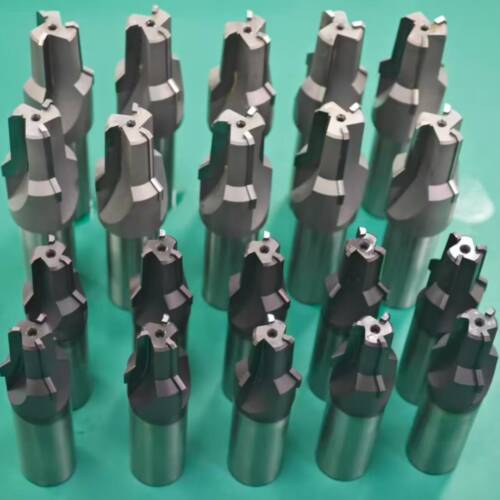
Brazed, coated and through-coolant drillsHolemaking and stepped-hole features.Diameter, step dimensions, depth, through or blind hole, coolant method, tolerance and runout.
Reamers and fine-boring toolsHole sizing and finishing after the preceding operation is defined.Existing hole condition, final diameter, tolerance, finish, reach, machine interface and rigidity.
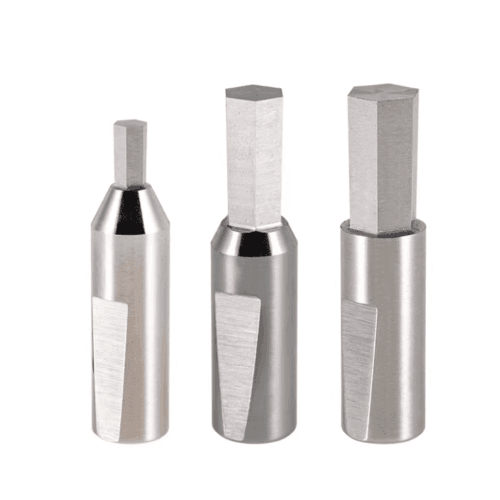
Special punches and drawing-based carbide toolsNon-standard profiles and application-specific features.Drawing or current-tool sample, material, dimensions, tolerance, inspection method, quantity and timing.
Important material boundaryCarbide is a broad starting point, but it is not the automatic choice for every material. PCD is generally reviewed for abrasive non-ferrous materials, composites and graphite. PCBN/CBN is generally reviewed for selected hardened ferrous materials and cast iron. Final selection should follow the actual cutting condition.
Precision cutting tool production workshopClose-up of cutting tool grinding inside the workshop
Factory and inspection

Tool Preparation and Quality-Control Review

Application review, tool preparation, precision grinding, magnified inspection and suitable reconditioning review are completed in the factory. The exact route depends on tool construction, workpiece material, operation and required result.

Application reviewTool preparationGrindingInspectionReconditioning review
Carbide tool FAQ

Questions Before Selecting a Carbide Tool

What information is needed for a carbide tool review?

Send the workpiece material, operation, drawing or current tool, tool dimensions and interface, allowance or hole condition, machine and workholding, coolant condition, tolerance, finish target, current problem, quantity and timing.

How should I choose between carbide inserts, drills, reamers and boring tools?

Start with the machining operation and required feature. Turning, threading and grooving usually begin with insert and holder details; drilling starts with hole geometry and coolant; reaming and fine boring require the existing-hole condition plus the final tolerance and finish.

Can HEYI review a custom carbide tool from a drawing or sample?

HEYI can review non-standard carbide geometries from a drawing or current-tool sample. Feasibility is confirmed only after the material, operation, dimensions, interface and inspection requirements are checked.

When should PCD or PCBN/CBN be considered instead of carbide?

PCD is generally reviewed for abrasive non-ferrous materials, composites and graphite. PCBN/CBN is generally reviewed for selected hardened ferrous materials and cast iron. The final choice depends on the workpiece, cut condition, rigidity and required result.

Start a technical review

Send the Cutting Condition Before Final Carbide Tool Selection

Send the drawing or current tool, workpiece material, operation, dimensions and interface, allowance or existing-hole condition, machine and workholding, coolant condition, tolerance, finish target, current problem, quantity and timing.

Subscribe for the updates!

Subscribe for the updates!