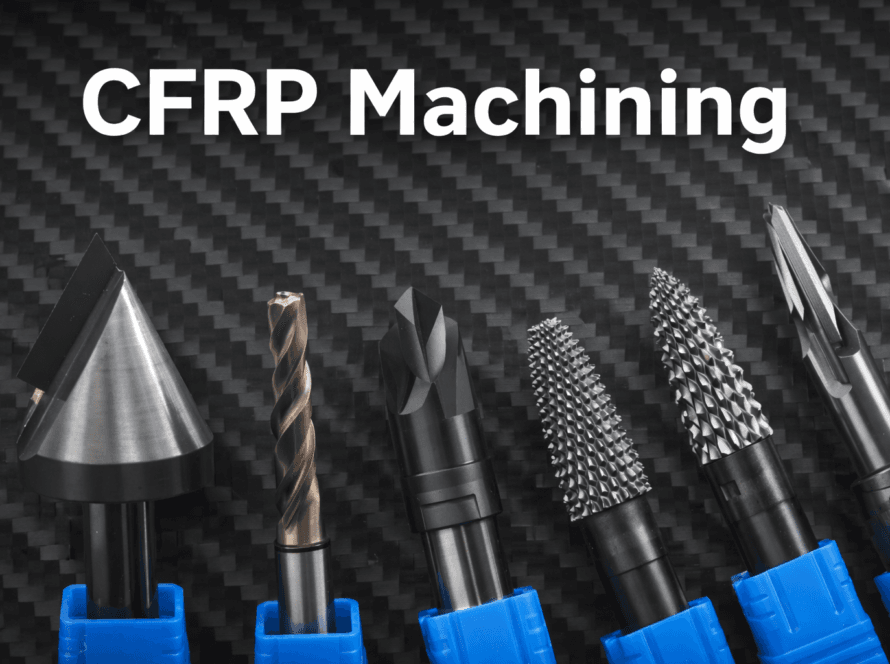
PCD is not a premium replacement for carbide in every material. It is a different cutting-tool material with a much narrower application window. PCD becomes valuable in aluminum, copper alloys, composites, graphite, and other abrasive non-ferrous or non-metallic work. Carbide remains the practical base choice across steels, stainless steels, cast irons, heat-resistant alloys, and a wide range of interrupted operations.
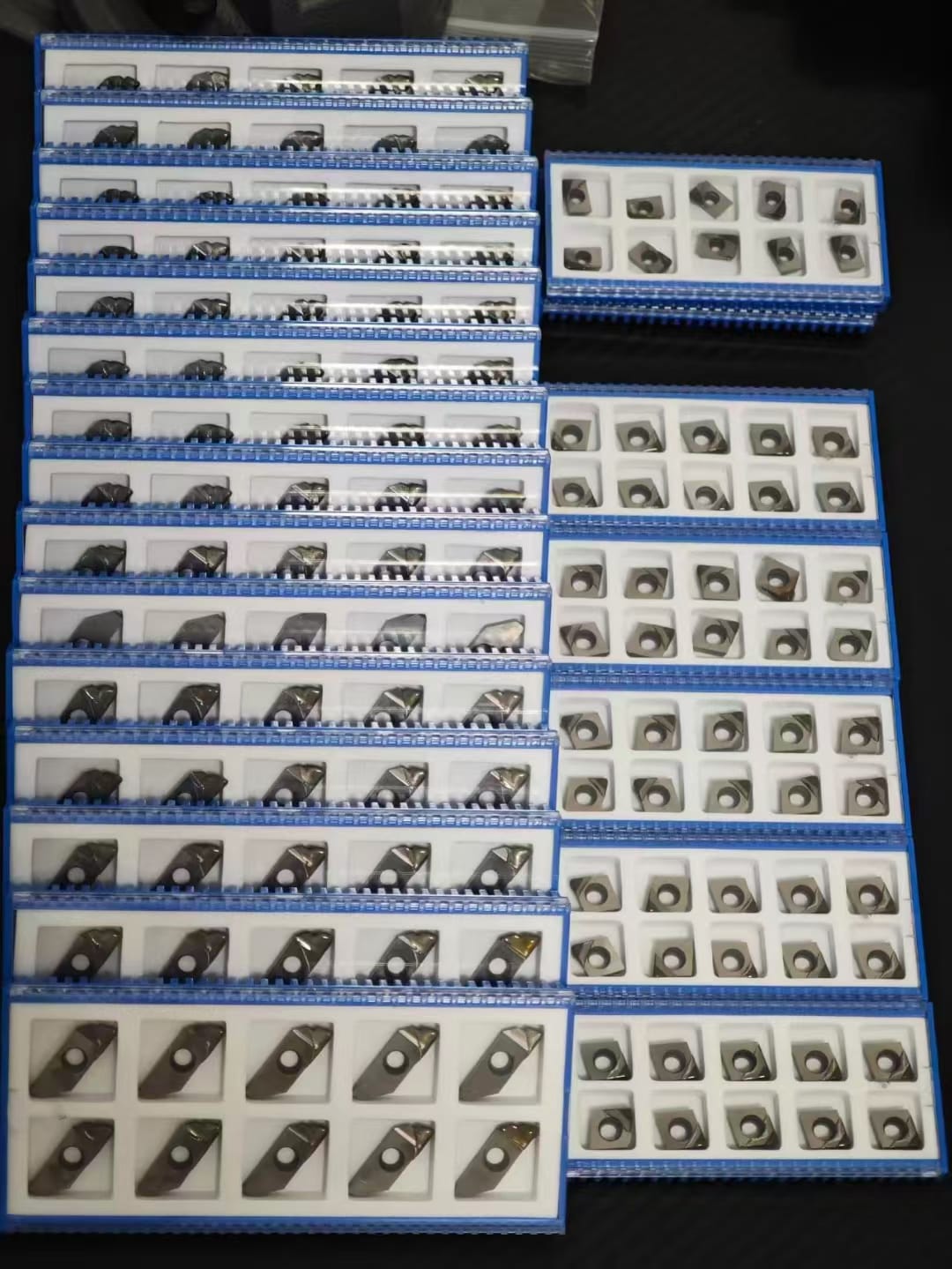
Where PCD earns its place
Polycrystalline diamond combines very high hardness with low friction and strong abrasion resistance. A well-prepared PCD edge can hold size and surface finish for long production runs in aluminum alloys, especially where silicon content or volume makes ordinary carbide wear quickly. It is also widely considered for carbon-fiber composites, plastics with abrasive fillers, copper alloys, and similar materials.
Edge condition matters. PCD can be prepared very sharp for low cutting force and clean non-ferrous finishing, but it is not as forgiving of impact as a tough carbide grade. Interrupted entry, poor clamping, excessive runout, or an unsuitable edge design can chip the cutting edge before its wear resistance provides a benefit.
Why carbide covers more materials
Carbide inserts are built from hard carbide particles held in a metallic binder. By changing substrate, coating, edge preparation, and chipbreaker, manufacturers can tune carbide for steel, stainless steel, cast iron, aluminum, or difficult alloys. The result is a broader and usually less expensive tool family with better options for impact, roughing, and mixed production.
Carbide is also the safer starting point when the material specification is uncertain or the cut is heavily interrupted. In a short batch, the extra setup care and tool cost of PCD may not be justified. In repeat production, the decision changes when tool changes, dimensional drift, or surface-finish variation become the real cost.
Finish requirements can move the decision sooner than wear alone. A sharp PCD edge may produce a stable reflective surface on aluminum without the built-up edge that troubles some carbide setups. Carbide can still be the better choice when the part contains hard inclusions, interrupted features, or several material families are run on the same machine. The evaluation should include both edge life and the number of acceptable parts between adjustments.
Do not use PCD as a general steel tool
Diamond tooling is generally avoided in ferrous machining because chemical interaction at cutting temperature can accelerate wear. Hardened steel and hard cast iron belong in a carbide, CBN, or ceramic tooling discussion, depending on hardness and operation. The fact that PCD is harder does not override material compatibility.
- Start with carbide for broad material coverage, roughing, and uncertain conditions.
- Review PCD inserts for stable non-ferrous or abrasive production.
- Compare cost per finished component, not insert price alone.
- Include edge quality, runout, holder rigidity, and interruption in the decision.
For a useful comparison, provide the material grade, hardness, silicon or filler content where relevant, operation, interruption, batch size, surface requirement, current carbide life, and failure photos. HEYI’s PCD tool range and Full RFQ form are the appropriate starting points for that review.