Skip to content Skip to footer

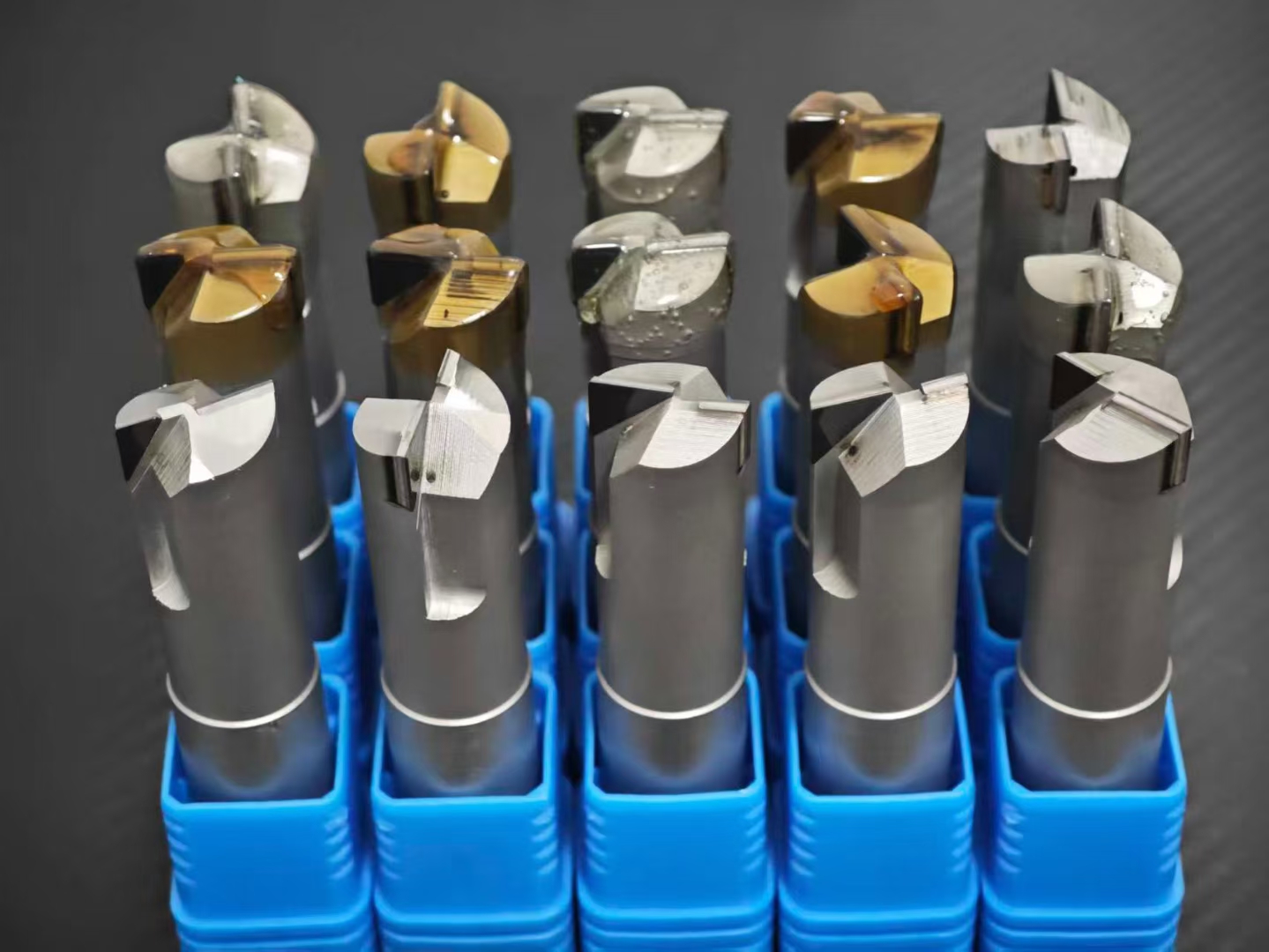
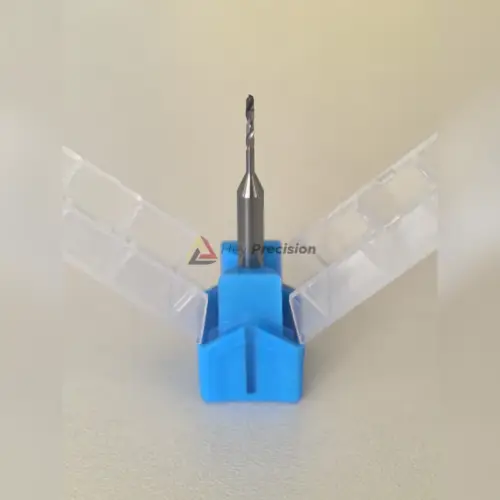
Solid PCD drills for CFRP and compatible material stacks, developed around stack sequence, hole requirements, exit condition and the available drilling setup.

Category: Tags: , Brand: Product ID: 9960

Description

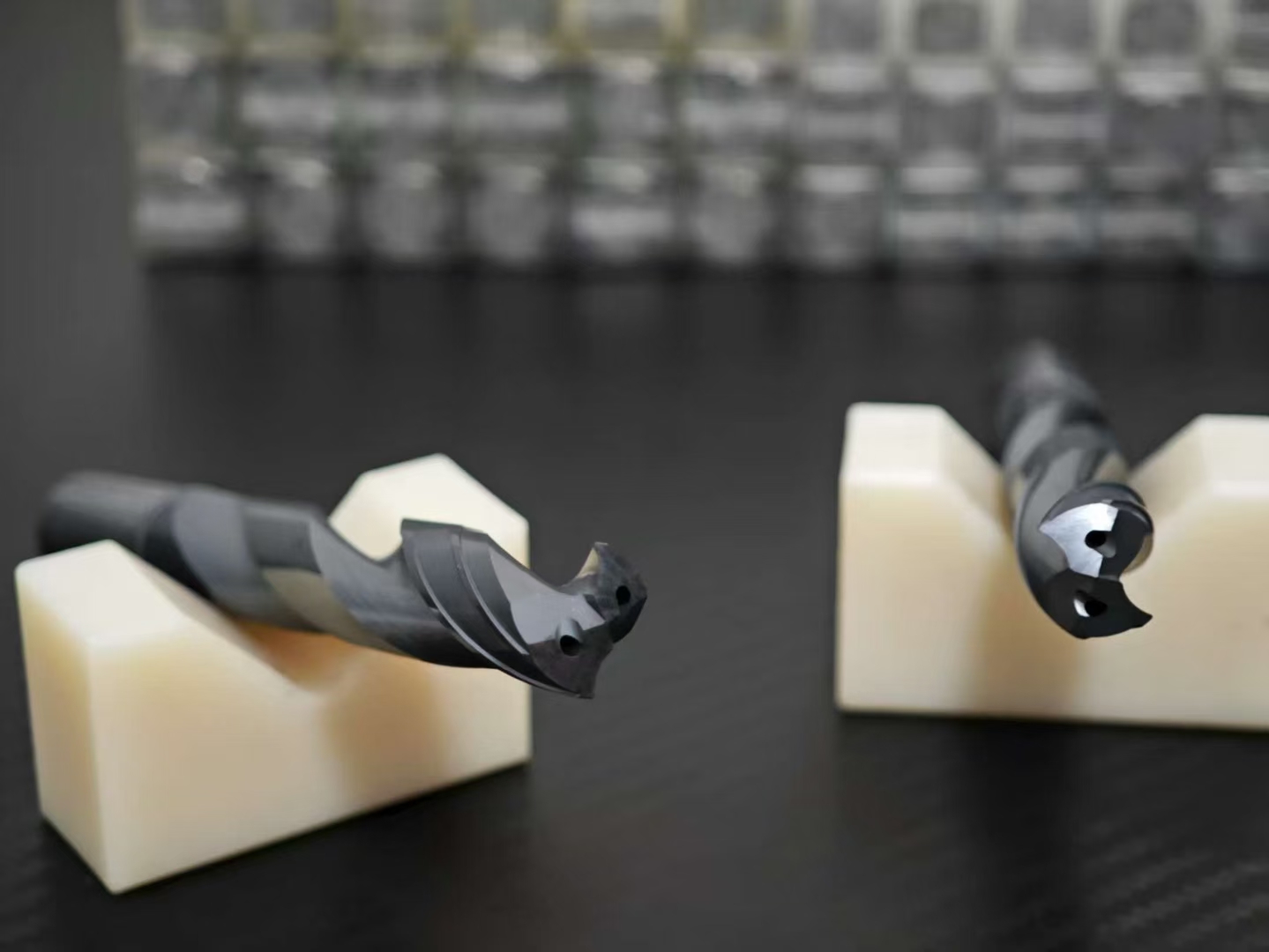
Solid PCD drills are considered for abrasive CFRP and compatible material stacks where fibre breakout, delamination and bore-exit condition must be controlled. The drill geometry and cutting data need to match the exact stack sequence rather than CFRP alone.

Where is this drill commonly reviewed?

  • CFRP components with defined entry and exit requirements
  • CFRP and aluminium stacks
  • CFRP and titanium stacks after the heat, chip and edge-load conditions are reviewed
  • Composite assemblies using a machine, drill unit, robot or other controlled setup

What changes the drill design?

  • Material sequence, grade and thickness of every layer
  • Hole diameter, tolerance, countersink or stepped features
  • Acceptable fibre breakout, delamination, burr and bore-exit condition
  • Machine or drill-unit rigidity, runout, workholding and backing support
  • Dry or coolant-assisted process, chip or dust removal, and current cutting data

Stack-material boundary: a geometry that works for CFRP and aluminium may not be suitable for CFRP and titanium. The metal layer changes chip formation, heat input and cutting-edge load, so the complete stack must be reviewed.

Factory preparation and inspection

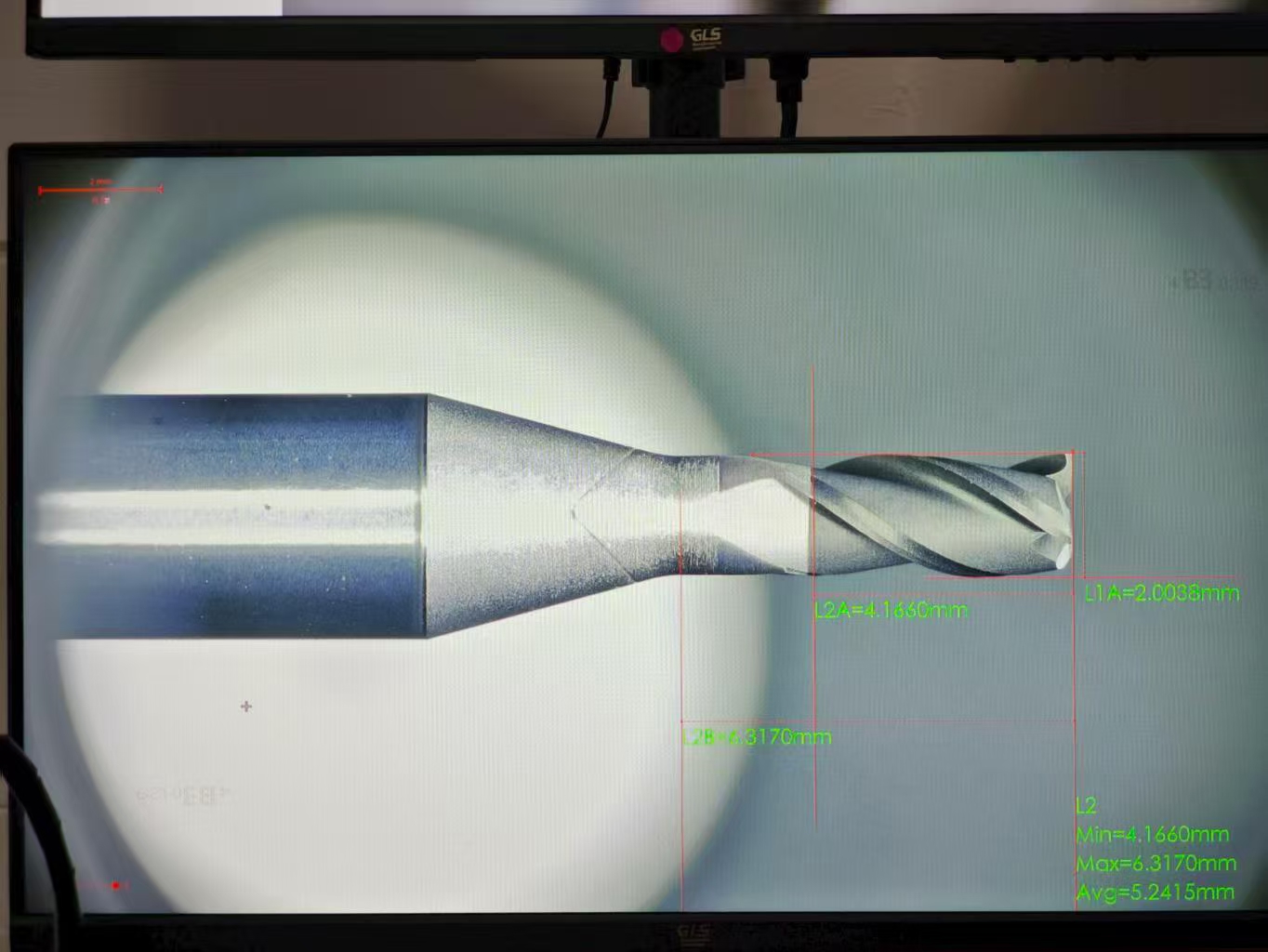
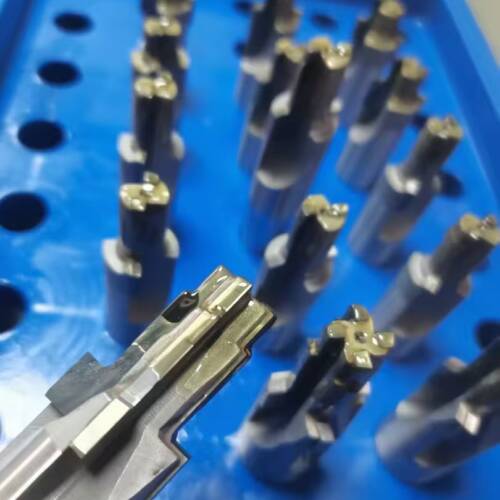
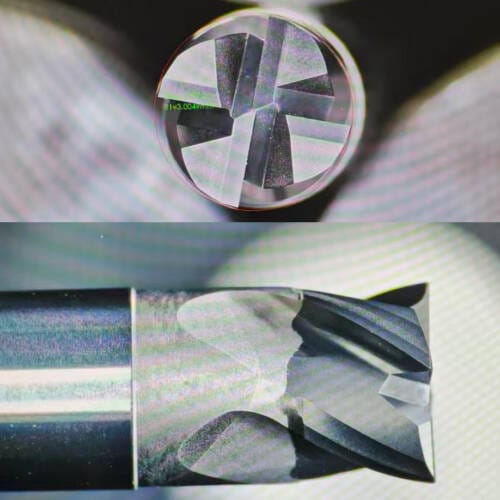
Depending on the design, the factory route can include slotting or flute generation, edge preparation and sharpening, precision grinding, magnified inspection, and a review for repair or reconditioning. The route is selected from the drill geometry and stack application.

Questions buyers usually ask

Can the same PCD drill be used for every CFRP stack?

No. Stack sequence, metal layer, thickness, exit condition and drilling setup can require a different point and edge geometry.

What defect information should be shared?

Photographs of entry and exit damage, delamination, burrs, fibre breakout, hole-wall condition and tool wear help define the problem before a new design is reviewed.

What application data is needed for an RFQ?

Please send the drawing, full stack sequence and thickness, hole requirements, machine or drill-unit details, workholding, coolant or dry condition, current tool and cutting data.

Request an application review

Send the stack drawing and current defect information through the Full RFQ form. For related composite-cutting tools, see PCD Tools.

Quick Product Inquiry

Ask about tooling, lead time, or application fit. We will reply with a tailored recommendation.


    Need to upload drawings or full machining data? Use Full RFQ

    Subscribe for the updates!

    Subscribe for the updates!