


Quick answer: choose the thread mill by hole type, thread depth, machine rigidity, material behavior, and chip evacuation. A single-tooth or partial-profile tool is slower but more forgiving. A full-form thread mill is faster, but it needs a stable setup and enough chip-control margin.
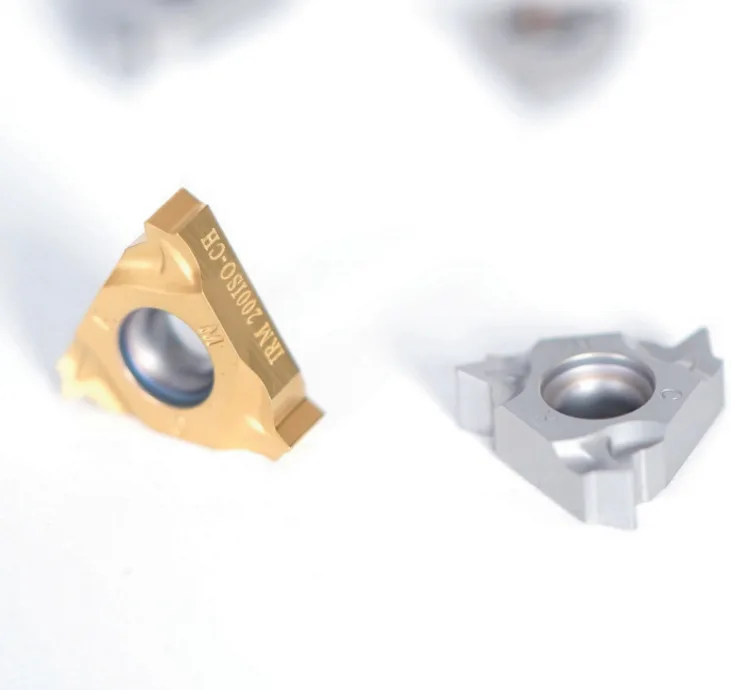
How do single-tooth, three-tooth, and full-form thread mills differ?
| Thread mill type | Best fit | What to check first |
|---|---|---|
| Single-tooth or partial-profile | Mixed thread pitches, deeper holes, smaller machines, or higher-risk workpieces. | Cycle time, tool deflection, and whether the tool can reach the full thread depth. |
| Three-tooth or short multi-tooth | General threading where you want a balance between productivity and cutting load. | Hole depth, material hardness, and whether chip evacuation remains stable. |
| Full-form thread mill | Production work where the thread size is fixed and cycle time matters. | Machine rigidity, tool runout, chip evacuation, and whether the tool form matches the thread exactly. |
When is a full-form thread mill the right choice?
A full-form tool can cut a complete thread profile quickly because more teeth are engaged at once. That is useful in stable production work, especially when the same thread repeats across many parts. The tradeoff is higher cutting load and less flexibility. If the material is hard, the hole is deep, or the tool overhang is long, a shorter multi-tooth or single-tooth approach may be safer.
What changes between blind holes and through holes?
Blind holes need reliable chip control because chips have limited escape space. Internal coolant, air blast, a conservative radial step, and a tool diameter close to the thread size can all help keep chips away from the cutting edge. Through holes are more forgiving when the tool path and chip direction let chips exit the bottom of the hole.
What causes poor thread quality in thread milling?
- Tool runout: a small runout error can show up as poor flank finish or size drift.
- Too much radial load: deep or hard-material threading may need multiple radial passes.
- Poor chip evacuation: recutting chips can damage the edge and mark the thread.
- Weak clamping: long overhang, worn collets, or unstable fixtures can create chatter.
What information helps HEYI recommend a thread milling tool?
Send the thread standard and size, hole depth, blind or through-hole condition, material, hardness, machine type, coolant condition, and current failure mode through Full RFQ. For uncertain jobs, Contact Us first and include a drawing or thread callout.
Related tooling: carbide tools and custom tooling.