


Quick answer: Poor reamed hole finish is usually not solved by changing only the reamer. Check the pre-drilled hole size, remaining stock, toolholder runout, machine rigidity, coolant, feed, speed, and whether the reamer is cutting instead of rubbing.
The source case was a 12 mm hole in 40Cr steel, with a tight tolerance band and a surface finish target around Ra 1.2. That kind of hole should be treated as a finishing process, not a rescue operation. If the previous drill leaves a bell-mouth, drift, chatter, or too little stock, the reamer will tend to follow the bad hole.
Why reaming finish fails even with a good reamer
A reamer is designed to size and finish an existing hole. It is not meant to straighten a badly positioned hole or remove heavy, uneven stock. Tooling references commonly point out that reamers tend to follow the prepared hole, so drilling accuracy and entry condition matter before the reamer touches the part.
In practice, a finish problem often comes from one of four areas: the hole before reaming, the tool setup, the cutting data, or the material condition. A shiny tool cannot compensate for excessive runout or unstable clamping.
Check the pre-hole before changing the reamer
- Diameter before reaming: Leave enough stock for the reamer to cut, but not so much that chips pack or the edge overloads.
- Hole straightness: If the drill walks, the reamer will usually follow that path.
- Entry condition: A chamfered, clean entry helps guide the reamer and reduces edge shock.
- Surface before finish: Heavy drill marks or chatter can be repeated by the finishing tool.
Stock allowance matters more than many shops expect
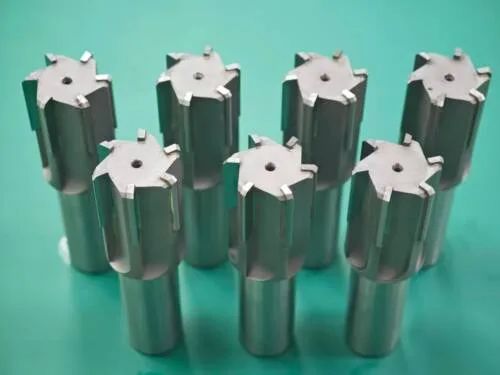
Too little stock can make the reamer rub instead of cut. Too much stock can increase torque, pack chips, damage the edge, or push the tool off line. Manufacturer recommendations should be followed where available, especially for carbide and brazed carbide reamers.
A useful shop-floor check is to measure the drilled hole at the mouth and deeper inside the bore. If the hole is tapered before reaming, the finishing pass will not be stable. In that case, the process may need a better drill, a pilot operation, boring, or a more controlled semi-finish step before reaming.
Runout, rigidity, and toolholding
For a tight hole tolerance such as +0 to +0.01 mm, toolholder runout is critical. Runout changes chip load from flute to flute. One flute cuts too much while another rubs, leaving uneven surface marks and unpredictable size.
Minimize tool overhang, inspect holder condition, and check spindle and holder runout before changing grades. A floating holder may help in some reaming setups, but it should not be used to hide a badly prepared hole.
Feed and speed for reaming are not drilling data
Reaming normally uses a different balance than drilling. Many practical guides recommend lower cutting speed than drilling and a feed that keeps the reamer cutting consistently. Running too slow with too light a feed may rub the hole wall; running too fast can create chatter, heat, and poor surface quality.
When a rolling or burnishing step may help
The source case mentioned a carbide drill followed by a rolling tool. Rolling or burnishing can improve surface finish in suitable ductile materials, but it should not be treated as a universal repair. It needs the right material, controlled pre-size, enough wall support, and a process that does not distort the hole.
RFQ data for a reaming problem
- Material grade, hardness, and whether the hole is through or blind.
- Target diameter, tolerance, roundness, straightness, and Ra value.
- Current drill size, reaming allowance, depth, coolant method, and cutting data.
- Runout measurement, holder type, machine model, and clamping condition.
- Photos of the hole finish, chips, reamer edge, and current tool setup.
HEYI can review brazed carbide reamers, custom hole-finishing tools, and process changes for tight reamed holes. Use the RFQ form to send the drawing, material, current tool sizes, and finish requirement.