


When a milling cutter wears too fast, the cutter is only one part of the problem. Cutting speed, feed per tooth, overhang, chip evacuation, coolant, workpiece material, and fixture rigidity all decide whether the edge cuts cleanly or spends most of its time rubbing, heating, and vibrating.
Start with heat and rubbing
Excessive cutting speed is a common reason for short tool life because it raises cutting temperature quickly. A harder grade or coating may help, but it will not rescue a setup that is simply running too hot for the tool and material. In stainless steel, titanium, and some sticky aluminum alloys, heat also encourages built-up edge or work hardening around the cutting zone.
The opposite mistake is feeding too lightly. If feed per tooth is too low, the edge may rub instead of forming a proper chip. That rubbing dulls the cutting edge, damages coating, and can leave a polished but unstable surface. The part many buyers miss is that a conservative feed is not always gentle on the tool.
Check overhang before changing the cutter
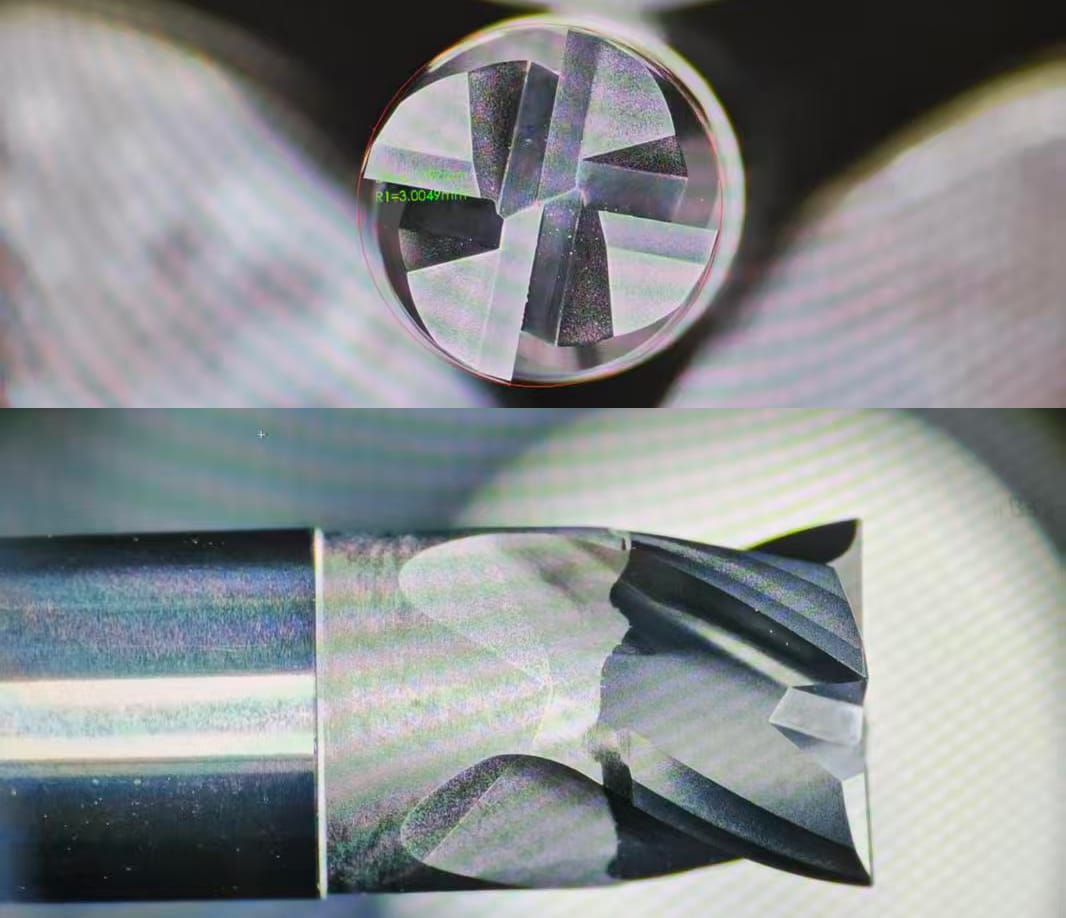
Long overhang magnifies vibration. A cutter that works well at a short projection may chip quickly when the holder is extended to reach a pocket wall or deep feature. Weak clamping, poor runout, and an unbalanced toolholder create the same kind of edge loading. If the wear photo shows chipping on one flute or repeating marks on the wall, measure runout before blaming the grade.
Coolant should also be consistent. Flood coolant can help carry heat and chips away, but an uneven stream may leave chips recutting in the pocket. Air blast can be better for some dry milling operations, especially when the main issue is chip evacuation rather than cooling. The right answer depends on the material, cutter type, and pocket geometry.
A practical wear checklist
- Reduce cutting speed if the edge is overheating or wearing evenly too fast.
- Increase feed per tooth if the edge is rubbing rather than cutting.
- Shorten overhang and check holder runout before changing tool material.
- Remove chips from the cut, especially in slots and closed pockets.
- Match the cutter to the material: carbide for broad steel and stainless work, PCD for selected non-ferrous and abrasive materials.
For standard milling work, start with the relevant carbide tool family. For a long-reach form, special edge, or material-specific cutter, review custom tooling. A useful RFQ should include material, hardness, cutter diameter, flute count, overhang, speed, feed, coolant method, and clear wear photos.