Titanium, nickel alloys, and Kovar should be treated as difficult-material holemaking jobs, not ordinary steel drilling and tapping jobs. Heat control, tool geometry, chip evacuation, tap style, and coolant delivery decide whether the hole remains stable.
Why these alloys cause trouble
Titanium and nickel alloys can hold heat near the cutting edge. Kovar and other controlled-expansion alloys also need careful process control because poor drilling can damage the hole before tapping begins. If chips stay in the hole, the cutting edge rubs, work-hardening or built-up edge can appear, and the tap then enters a poor-quality hole.
Drilling comes before tapping success
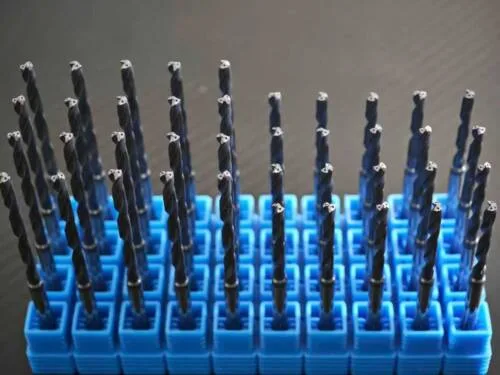
A tap cannot fix an unstable pilot hole. Check drill runout, point condition, coolant, chip shape, and hole size before changing taps. A through-coolant carbide drill can be useful when the machine supports it, especially when chip evacuation and heat are the main problems.
Tapping strategy
- Use tap geometry intended for the material family.
- Confirm pilot-hole size and thread percentage before production.
- Use suitable lubrication and avoid dry rubbing.
- Consider thread milling when the part is expensive or the material is very difficult to tap.
For holemaking review, HEYI can check through-coolant carbide drills and custom tooling options. Send material grade, hardness, hole diameter, depth, thread size, coolant method, current tool, and failure photos through the RFQ form.