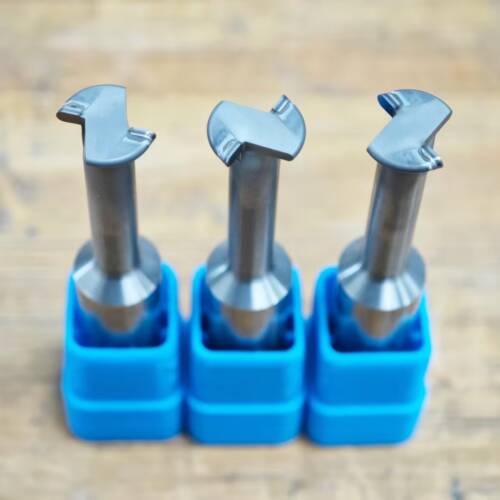
Custom tool planning guide
Plan a Custom Tool by Application, Geometry and Inspection Requirements
HEYI reviews custom PCD, CBN and carbide tools from drawings, current-tool samples and machining data. A useful request defines the workpiece material, operation, geometry and interface, machine and workholding condition, tolerance and surface-finish target, current problem, required result, quantity and timing. Feasibility and the final tool specification are confirmed only after technical review.
Drawing-based replacementProvide the drawing or current tool, critical dimensions, interface, reach and inspection requirements.
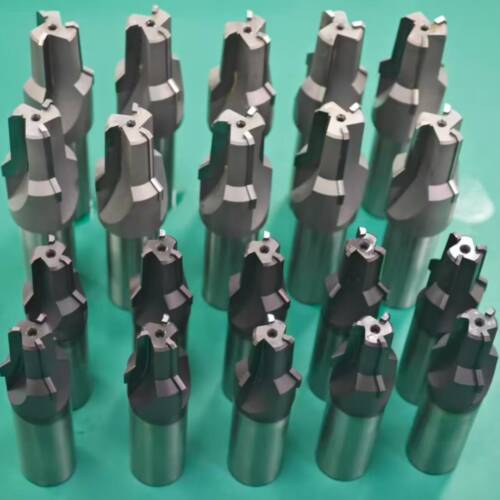
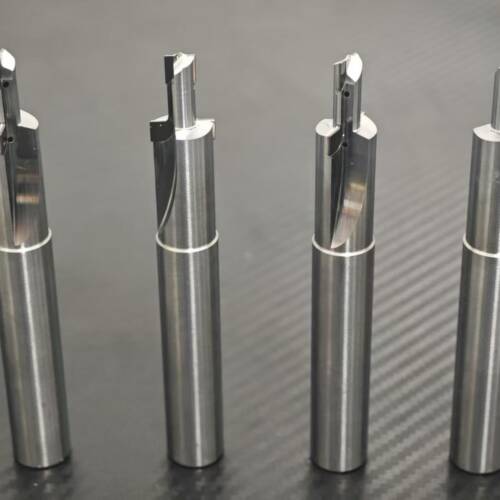
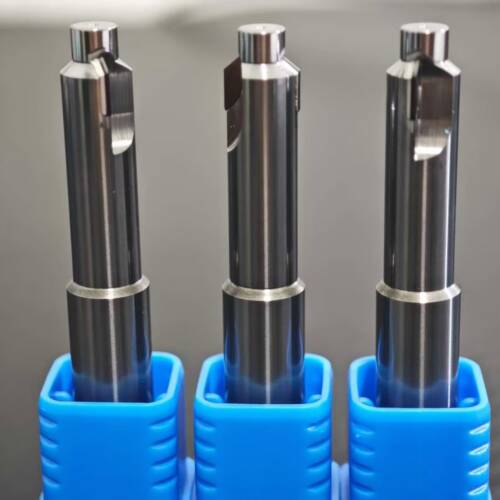
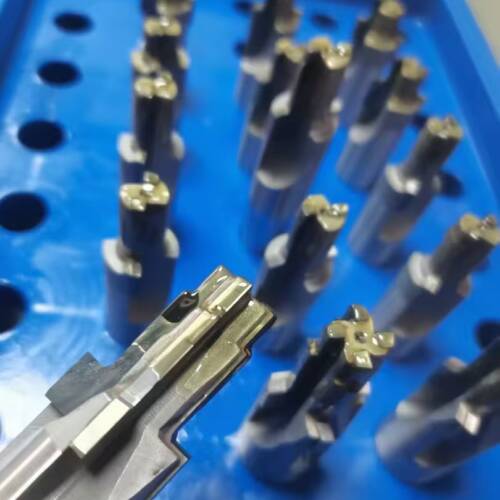
Combined and profile toolsDefine each required feature, sequence, step or profile, available space and machine condition.
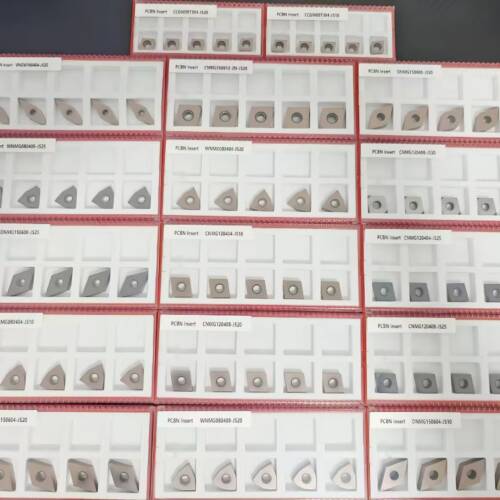
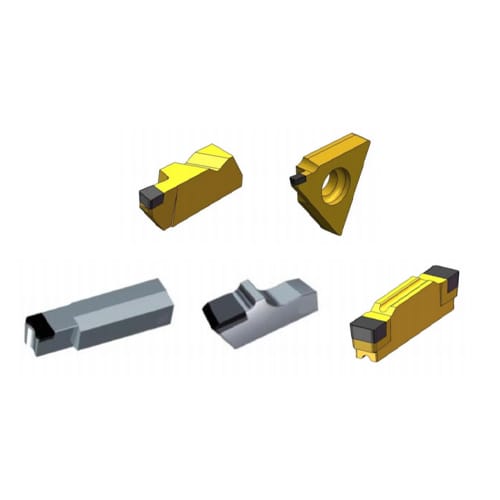
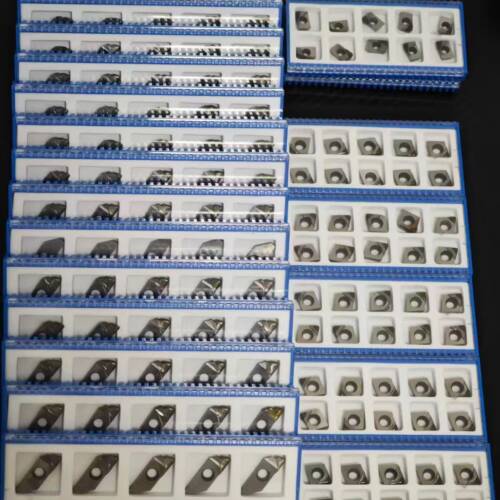
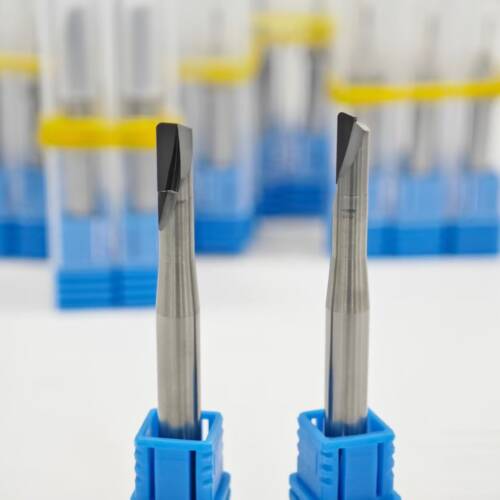
Inserts and grooving toolsProvide insert or holder interface, profile, width and depth, corner details, workpiece and cut condition.
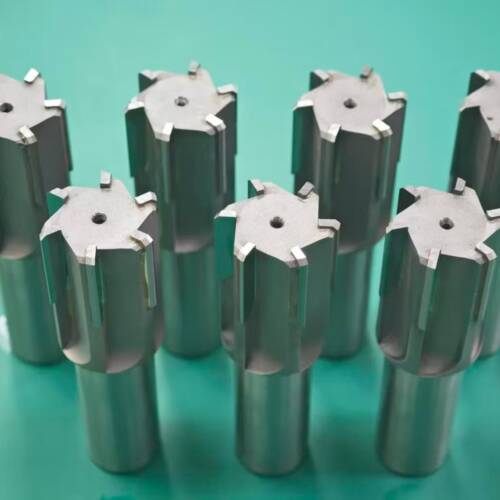
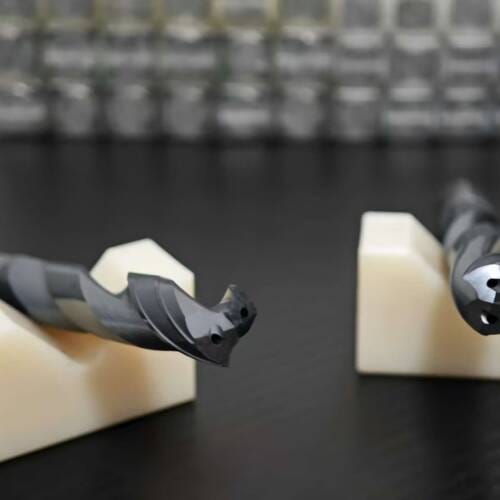
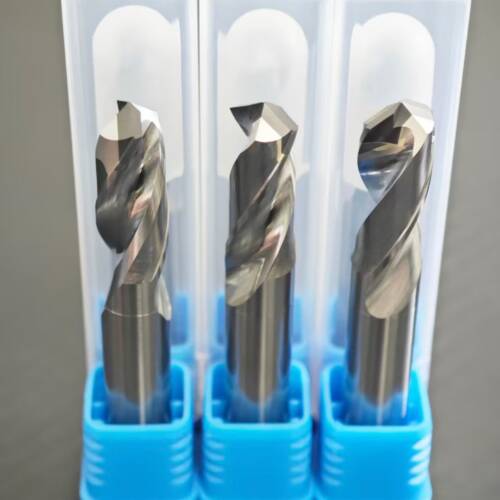
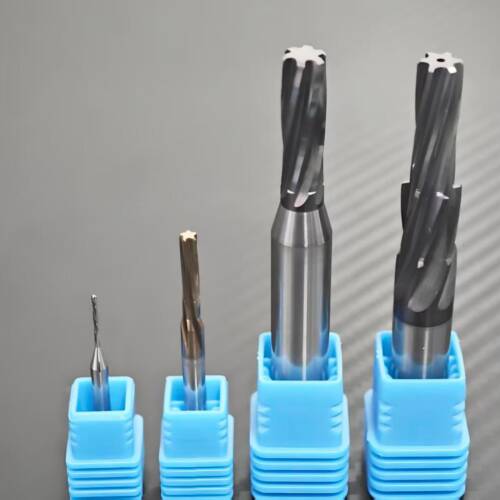
Drilling, reaming and boring toolsProvide hole condition, diameter, depth, steps, coolant method, tolerance, finish and runout requirement.
| Review stage | What is checked | Useful buyer input |
| Application and material | Workpiece, operation, interrupted or continuous condition and required result. | Material grade, hardness when relevant, operation, allowance and current issue. |
| Geometry and interface | Cutting profile, dimensions, reach, shank or holder connection and clearance. | Drawing or CAD, current-tool sample, critical dimensions and machine interface. |
| Setup and process condition | Machine, workholding, coolant, rigidity and preceding operation. | Machine type, clamping, coolant method, existing hole or surface condition and known parameters. |
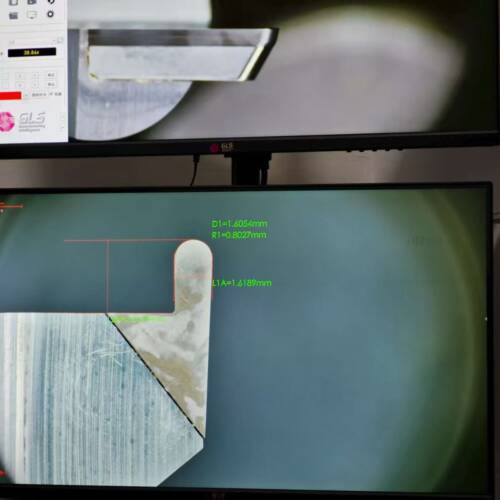
| Inspection and acceptance | Critical dimensions, tolerance, finish and practical verification method. | Marked critical features, tolerance, surface-finish target and inspection requirement. |
Important material boundaryA custom geometry does not make one cutting material suitable for every job. PCD is generally reviewed for abrasive non-ferrous materials, composites and graphite. CBN or PCBN is generally reviewed for selected hardened ferrous materials and cast iron. Carbide is a broad starting point for many other operations. Final material and edge selection should follow the actual application.