


For APMT1604 milling in 40Cr and A3 steel, check cutter teeth, chip space, cutting speed, feed per tooth, insert seating, and rigidity.
Compare chamfer drills and helical chamfer mills by cutting motion, size control, access, burr behavior, material, and CNC flexibility in production work.
Improve thin-floor milling finish by checking cutter pull, finishing allowance, holder rigidity, toolpath pressure, and setup support.
Hole machining tools should follow material, hardness, chip shape, and hole type. Compare carbide drills, taps, thread mills, and reamers by application.
Use this practical guide to understand tap pitch diameter limits, P2/P3 selection, go/no-go gauge failures, and when thread milling is safer.
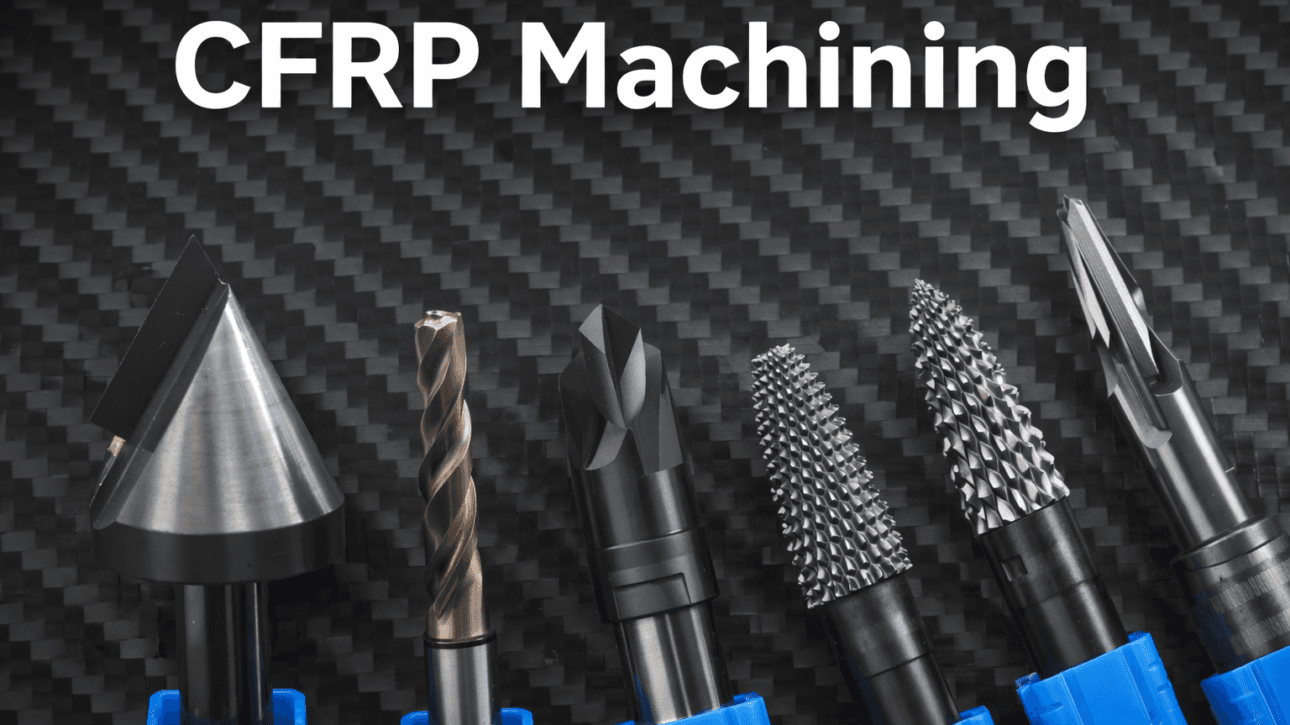
Carbon fiber composite sleeve chamfering reference showing how a custom PCD insert can improve tool life and edge stability over a standard carbide route.
In through-coolant machining, pull stud geometry can matter as much as the taper. Some SK holder setups use CAT-style pull studs because the load path is more robust.
ER, hydraulic, and shrink fit holders solve different milling problems. The right choice depends on flexibility, runout control, clamping security, and how demanding the cut really is.
Rapid cutter wear often starts with substrate, geometry, grinding quality, or coating behavior. Feed and speed matter, but they are not always the first place to look.
Ceramic end mills can be effective in heat-resistant alloys, but only when the machine, entry condition, and load pattern are stable enough to protect a brittle edge.
Fast feed and 90 degree inserts solve different milling problems. The better choice depends on machine rigidity, shoulder requirements, and whether the job values feed rate or broader process comfort.
Climb milling and conventional milling are not fixed rules. Cast skin, work-hardening alloys, and machine rigidity all change which direction gives the safer and more useful cut.