


Choose a thread mill by hole type, thread depth, machine power, chip evacuation, and material risk instead of selecting only by nominal thread size.
Choose between a U-drill and an exchangeable-head drill by checking hole tolerance, depth-to-diameter ratio, diameter range, rigidity, and cost per hole.
Small taps and drills usually break from runout, weak clamping, poor chip evacuation, wrong tap-drill size, or feed synchronization errors.
For deep 9 mm holes in nickel-rich stainless, control pilot size, coolant, runout, chip evacuation, reaming stock, and tool rigidity.
U-slot end mills can help with chip evacuation, high-speed roughing, and pocket milling, but they still need the right toolpath, holder, and material match.
For APMT1604 milling in 40Cr and A3 steel, check cutter teeth, chip space, cutting speed, feed per tooth, insert seating, and rigidity.
Improve thin-floor milling finish by checking cutter pull, finishing allowance, holder rigidity, toolpath pressure, and setup support.
Hole machining tools should follow material, hardness, chip shape, and hole type. Compare carbide drills, taps, thread mills, and reamers by application.
Use this practical guide to understand tap pitch diameter limits, P2/P3 selection, go/no-go gauge failures, and when thread milling is safer.
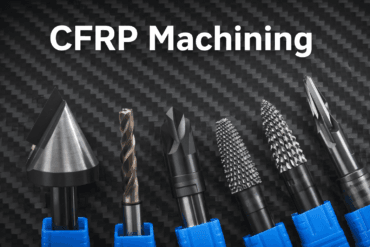
Carbon fiber composite sleeve chamfering reference showing how a custom PCD insert can improve tool life and edge stability over a standard carbide route.
In through-coolant machining, pull stud geometry can matter as much as the taper. Some SK holder setups use CAT-style pull studs because the load path is more robust.
ER, hydraulic, and shrink fit holders solve different milling problems. The right choice depends on flexibility, runout control, clamping security, and how demanding the cut really is.